




Why Shenzhen Is One of China’s Leading Eyewear Manufacturing Hubs
When international brands look for an eyewear manufacturer in China, Shenzhen is often one of the first manufacturing locations they consider.
Known for its advanced manufacturing ecosystem, international business environment, and proximity to major industrial clusters in Guangdong, Shenzhen has become an important part of China’s eyewear supply chain.
But what makes a Shenzhen eyewear manufacturer competitive?
The answer is not simply price.
The real advantage comes from a combination of manufacturing experience, supply-chain efficiency, product development capabilities, material availability, skilled production, and international trade experience.
For brands looking for OEM sunglasses, ODM eyewear, private label sunglasses, or custom eyewear, understanding Shenzhen’s manufacturing ecosystem can help them make better sourcing decisions.
1. A Strong and Connected Manufacturing Ecosystem
A pair of sunglasses may look simple, but producing a finished product involves many different processes.
Depending on the product, the manufacturing process can involve:
* Product design
* 3D development
* Mold making
* Material selection
* Injection molding
* Acetate processing
* Metal processing
* Lens production
* Surface treatment
* Polishing
* Assembly
* Quality inspection
* Packaging
One of Shenzhen’s biggest advantages is its connection to the wider Guangdong manufacturing ecosystem.
Instead of operating in isolation, an experienced eyewear factory can work with specialized suppliers for different components and processes.
This creates a more efficient development and production environment.
For an overseas buyer, that can mean faster communication, easier product modifications, and more flexibility during development.
2. Shenzhen Eyewear Manufacturers Understand Global Markets
Manufacturing a product is only part of international eyewear business.
A successful supplier also needs to understand what customers in different markets expect.
Chinese eyewear manufacturers serving international customers may work with buyers from:
* The United States
* Canada
* The United Kingdom
* Germany
* France
* Italy
* Australia
* Japan
* South Korea
* Southeast Asia
Different markets can have different preferences regarding frame shapes, colors, materials, packaging, pricing, and product positioning.
This international exposure gives experienced Shenzhen eyewear manufacturers valuable knowledge about global product requirements.
For a growing eyewear brand, working with a manufacturer that understands international customers can make product development much easier.
3. Fast Product Development
Fashion moves quickly.
A sunglasses style that attracts attention on social media today may become less popular several months later.
This makes product development speed increasingly important.
An experienced China sunglasses manufacturer can help turn an idea into a physical sample through a series of steps:
Concept → Design → Engineering → Prototype → Sample → Testing → Production
During this process, the frame may need multiple adjustments.
For example, a buyer may want to change:
* Lens dimensions
* Frame thickness
* Temple length
* Bridge design
* Hinge position
* Frame color
* Material
* Surface finish
A strong manufacturing ecosystem makes it easier to communicate these changes and develop new samples efficiently.
This is particularly valuable for independent brands and e-commerce companies that need to test new designs quickly.
4. Access to Different Eyewear Materials
Material selection has a major influence on the appearance, comfort, durability, and price of eyewear.
Depending on the product, manufacturers may work with materials such as:
Acetate
Acetate is widely used for fashion and premium eyewear. It allows manufacturers to create rich colors, patterns, and distinctive frame shapes.
TR90
TR90 is a lightweight thermoplastic material commonly used for flexible and lightweight eyewear.
Stainless Steel
Stainless steel is frequently used for metal frames because of its strength and relatively clean appearance.
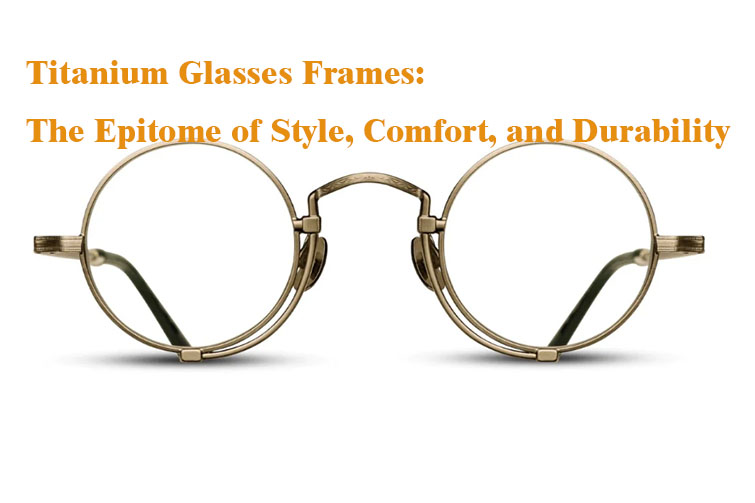
Titanium
Titanium is often associated with lightweight premium eyewear and requires more specialized manufacturing knowledge.
Polycarbonate and Other Plastics
These materials can be used for different types of sunglasses and optical frames depending on the product’s intended performance and price range.
The availability of different materials gives brands more options when developing products for different market segments.
5. OEM and ODM Capabilities
Not every buyer wants the same manufacturing solution.
Some companies already have their own designs and only need a factory to manufacture them.
This is typically an OEM model.
Other companies may need assistance developing a product from an initial concept.
This is where ODM capabilities can become useful.
A capable eyewear manufacturer may help with:
* Frame development
* Material selection
* Color development
* Prototype production
* Packaging
* Logo application
* Product customization
* Production
For a new eyewear brand, this can reduce the number of suppliers involved in the development process.
6. Private Label Sunglasses for Growing Brands
Private label eyewear has become an attractive option for businesses that want to develop their own brand without building a complete manufacturing operation.
A private label sunglasses project may include:
* Custom frame designs
* Brand logos
* Custom colors
* Custom lenses
* Packaging
* Cases
* Cleaning cloths
* Product cards
* Retail packaging
The exact options depend on the manufacturer and the production requirements.
For online brands selling through their own websites, marketplaces, or retail channels, private label manufacturing can provide greater control over product identity.
7. Manufacturing Experience Matters
A good factory is more than a building filled with machines.
Eyewear production requires experience at many stages.
Small details can affect the final result, including:
* Frame alignment
* Hinge installation
* Lens fitting
* Surface polishing
* Temple adjustment
* Logo placement
* Color consistency
* Final inspection
Experienced workers and production teams can identify potential problems earlier.
This accumulated manufacturing knowledge is difficult to build overnight.
It is one of the reasons established eyewear manufacturing regions continue to have an advantage over companies that are new to the industry.
8. Shenzhen Can Offer Competitive Manufacturing Costs
Price is naturally important for international buyers.
However, the lowest factory price does not always mean the lowest total cost.
A buyer should consider the entire production process.
Total sourcing costs can be affected by:
* Material prices
* Tooling
* Labor efficiency
* Production yield
* Quality-control costs
* Packaging
* Transportation
* Lead time
* Minimum order quantity
* Defect rates
A mature manufacturing ecosystem can improve efficiency across several of these areas.
Therefore, the value of a Shenzhen sunglasses manufacturer should be evaluated based on the combination of quality, price, speed, flexibility, and reliability, rather than unit price alone.
9. Shenzhen’s Location Supports International Supply Chains
Shenzhen is also strategically positioned within the Greater Bay Area manufacturing network.
Its connection with other manufacturing cities in Guangdong gives companies access to a broad range of suppliers and industrial services.
For international buyers, this ecosystem can support everything from product development and component sourcing to packaging and export logistics.
This is especially useful for companies that want to scale their eyewear business over time.
10. Shenzhen Eyewear Manufacturing Is Evolving
The eyewear industry is changing.
Manufacturers are no longer competing only on production cost.
Brands increasingly care about:
* Design
* Product differentiation
* Sustainability
* Material innovation
* Quality
* Speed to market
* Small-batch production
* Customization
At the same time, e-commerce has changed how eyewear products are developed and sold.
Amazon sellers, Shopify brands, independent retailers, distributors, and emerging fashion brands may all require different production solutions.
Manufacturers that can respond to these changing requirements are better positioned to work with modern international brands.
What Should You Look for in a Shenzhen Eyewear Manufacturer?
Although Shenzhen has a strong manufacturing ecosystem, buyers should not assume that every factory will be suitable for their project.
Before choosing a supplier, consider asking:
1. What types of eyewear do you specialize in?
Some factories are stronger in acetate frames, while others may specialize in metal frames, sports eyewear, fashion sunglasses, or optical frames.
2. Can you develop custom designs?
Ask about CAD development, prototypes, molds, samples, and design modifications.
3. What materials can you provide?
Make sure the available materials match your target product positioning.
4. What is your minimum order quantity?
MOQ can be particularly important for startups and smaller brands.
5. How do you control quality?
Ask about inspection procedures during production and before shipment.
6. Can you provide private label services?
If you are building your own brand, confirm whether the manufacturer can support logos, packaging, cases, and other customized components.
7. What markets do you currently serve?
Experience with international customers can make communication and product development smoother.
Shenzhen vs. Other Eyewear Manufacturing Locations
It would be inaccurate to say that every Shenzhen factory is automatically better than every factory in another region.
Different manufacturing locations have different strengths.
The real advantage of Shenzhen is the combination of its broader industrial ecosystem, manufacturing infrastructure, engineering resources, supply-chain connections, and international business experience.
For buyers, the best decision should always be based on the specific factory rather than location alone.
A professional sourcing process should compare:
Product quality + Manufacturing capability + Price + MOQ + Lead time + Communication + Quality control
rather than focusing on one factor.
Why Choose a Shenzhen Eyewear Manufacturer?
For an international eyewear brand, choosing a manufacturing partner is a long-term decision.
The right factory can help a brand move from an idea to a finished product more efficiently.
Shenzhen offers a strong environment for this type of cooperation because manufacturers can operate within a mature and interconnected industrial ecosystem.
From the first product concept to prototype development, material selection, mass production, quality inspection, and export, an experienced Shenzhen eyewear manufacturer can potentially support many stages of the process.
About Papaicons
Papaicons is a Shenzhen-based eyewear manufacturer focused on the development and production of eyewear for international customers.
The company works with buyers looking for solutions such as sunglasses manufacturing, OEM production, ODM development, and private label eyewear.
For brands developing new eyewear products, the manufacturing process can begin with a simple concept and develop through sampling, material selection, customization, production, and quality control.
The goal is not simply to manufacture more products.
It is to help customers develop eyewear products that fit their target market, brand positioning, and business model.
Conclusion
Shenzhen’s strength in eyewear manufacturing comes from more than one factor.
Its competitive advantage is built on a combination of manufacturing experience, supplier networks, engineering capabilities, material access, product-development speed, international trade experience, and production flexibility.
For international companies searching for a China eyewear factory, Shenzhen can therefore be an important sourcing destination.
Whether you are developing a new sunglasses collection, launching a private label brand, or looking for an OEM/ODM manufacturing partner, the most important step is to find a factory that matches your specific product and business requirements.
The location matters—but the right manufacturing partner matters even more.
Frequently Asked Questions
Is Shenzhen good for eyewear manufacturing?
Yes. Shenzhen and the surrounding Guangdong manufacturing region have a strong manufacturing ecosystem and extensive experience serving international customers.
Is Shenzhen a sunglasses manufacturing center?
Shenzhen is an important part of China’s broader eyewear manufacturing and export ecosystem, with access to manufacturers, suppliers, engineering resources, and international logistics.
Can I order private label sunglasses from a Shenzhen factory?
Many Shenzhen eyewear manufacturers offer private label services, although the available customization options, MOQ, and production capabilities vary by factory.
What is the difference between OEM and ODM eyewear?
OEM generally means manufacturing according to the customer’s design or specifications. ODM typically involves greater support from the manufacturer in developing the product.
Can a startup work with a Shenzhen eyewear manufacturer?
Yes. Some manufacturers work with smaller brands and startups, although MOQ, tooling costs, sampling fees, and production requirements should be discussed before starting a project.
What materials can be used for custom sunglasses?
Common options include acetate, TR90, stainless steel, titanium, polycarbonate, and other plastics. The best material depends on the design, performance requirements, target price, and brand positioning.
How do I choose a China sunglasses manufacturer?
Compare manufacturing experience, product quality, MOQ, customization capabilities, communication, quality control, lead times, certifications where applicable, and total production cost.
Why do international brands source eyewear from China?
China has a large and developed manufacturing ecosystem, providing access to materials, components, production capabilities, product development, and export infrastructure.
Can Shenzhen factories develop custom sunglasses?
Many manufacturers can support custom development, including frame design adjustments, prototypes, molds, materials, colors, logos, lenses, and packaging. Capabilities vary between factories.
How can I contact Papaicons for custom eyewear?
If you are developing a new eyewear collection or looking for an OEM, ODM, or private label manufacturing partner, you can contact Papaicons to discuss your product requirements, target quantity, materials, and design.